
Protecting Scientific Innovation
More than a decade of research at Washington University has advanced our understanding of immune-directed treatment for actinic keratosis. This work is supported by a portfolio of issued U.S. patents.
Scientific Innovation
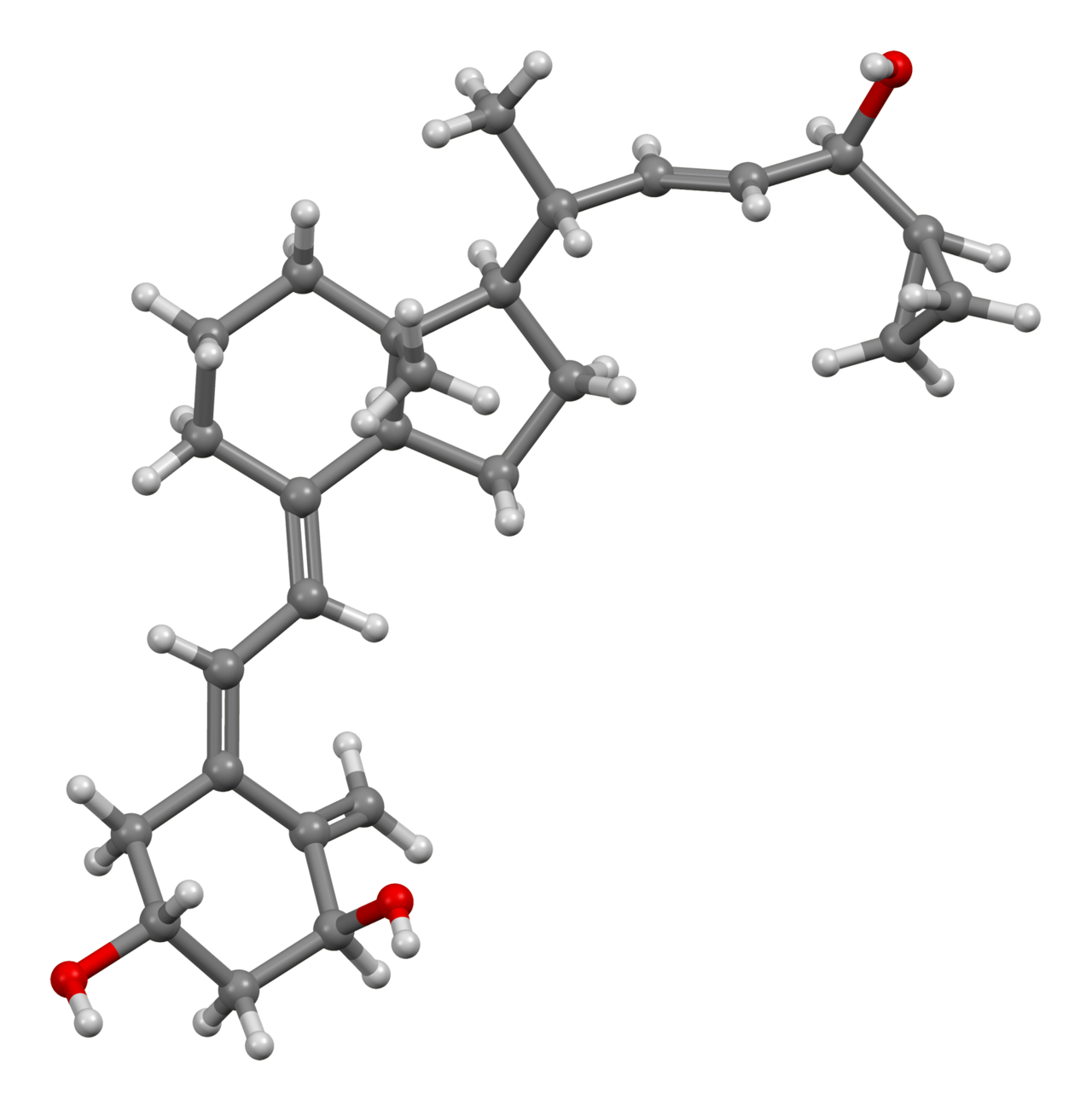
The discovery that calcipotriene could enhance the immune response when combined with topical 5-FU represented an important advancement in the understanding of field-directed treatment for actinic keratosis.
Subsequent laboratory research, clinical studies, and long-term follow-up have continued to expand the scientific foundation supporting this approach.
As the research evolved, Washington University secured patent protection covering multiple aspects of the technology, helping protect the underlying innovation while supporting continued development.
 +
+ 
Patent Portfolio Overview
The Washington University patent portfolio includes three issued U.S. patents that collectively protect different aspects of the 5-FU + calcipotriene combination.
US 10,905,763 B2
The present disclosure encompasses compositions and methods for the treatment of precancerous skin lesions. Compositions of the invention comprise a cytotoxic agent and a thymic stromal lymphopoietin (TSLP) inducer.
Core IP covering the combination therapy method
US 11,478,549 B2
A method to treat a squamous cell carcinoma, the method comprising topically administering to the squamous cell carcinoma a composition comprising a cytotoxic agent and a thymic stromal lymphopoietin (TSLP) inducer.
Broadens coverage to related skin conditions
US 12,186,394 B2
A topical composition comprising about 2% to about 5% (wt/wt) 5-fluorouracil (5-FU) and about 0.002% to about 0.005% (wt/wt) calcipotriol.
Composition claims with specific concentration ranges
Research Leadership
The physician-scientists whose research established the immune-directed mechanism behind this therapy.

Dr. Lynn Cornelius
Winfred A. & Emma R. Showman Professor
Chief of Dermatology, Washington University School of Medicine
Chief of Dermatology at Washington University School of Medicine since 2000, with clinical and research focus in melanoma diagnosis, management, and UV-induced pathogenesis. Co-director of the Melanoma Multidisciplinary Initiative at Siteman Cancer Center and Focus Group Leader for Melanoma and Skin Cancer.
- Research Achievement Award, Public Policy and Education, American Skin Association (2025)
- President, Society of Investigative Dermatology (2023-2024)
- Chair, Council of Science and Research, American Academy of Dermatology (2019-2024)
- President, Association of Professors in Dermatology (2018-2020)
- Board of Trustees, St. Louis Science Center (2013-2023)

Dr. Shawn Demehri, MD, PhD
Principal Investigator, Center for Cancer Immunology & Cutaneous Biology Research Center
Massachusetts General Hospital, Harvard Medical School
Board-certified dermatologist and physician-scientist at Massachusetts General Hospital performing basic and translational research in cancer immunology. Research focuses on the immune system's role in preventing early-stage cancer development, with clinical interests in cutaneous oncology, high-risk skin cancer detection and treatment, and inflammatory skin diseases.
- Professor of Dermatology, Harvard Medical School
- Director, High Risk Skin Cancer Clinic, Massachusetts General Hospital
- Arthur and Sandra Irving Endowed Chair in Cancer Immunology
- Bob and Rita Davis Family MGH Research Scholar 2023–2028
Why It Matters
A strong intellectual property portfolio supports the continued advancement of scientific innovation. By protecting multiple aspects of the technology, the Washington University patents provide a foundation for ongoing clinical research, product development, and commercialization.
Together with the published clinical evidence, the patent portfolio reflects more than a decade of scientific investigation into an immune-directed approach to treating actinic keratosis.13