
Understanding Actinic Keratosis
Actinic keratosis is one of the most common reasons patients visit a dermatologist — and, left untreated, it can progress toward skin cancer. This page explains what AK is, the related conditions it can lead to, and how an immune-directed treatment approach works.
The information on this page is for general educational purposes and does not replace advice from a licensed healthcare provider.

Where Actinic Keratosis Can Lead
AK’s Dangerous Destination — If Left Untreated
SCC is the second most common skin cancer. Unlike basal cell carcinoma, SCC can spread to the lymph nodes, which is why early intervention matters so much.5
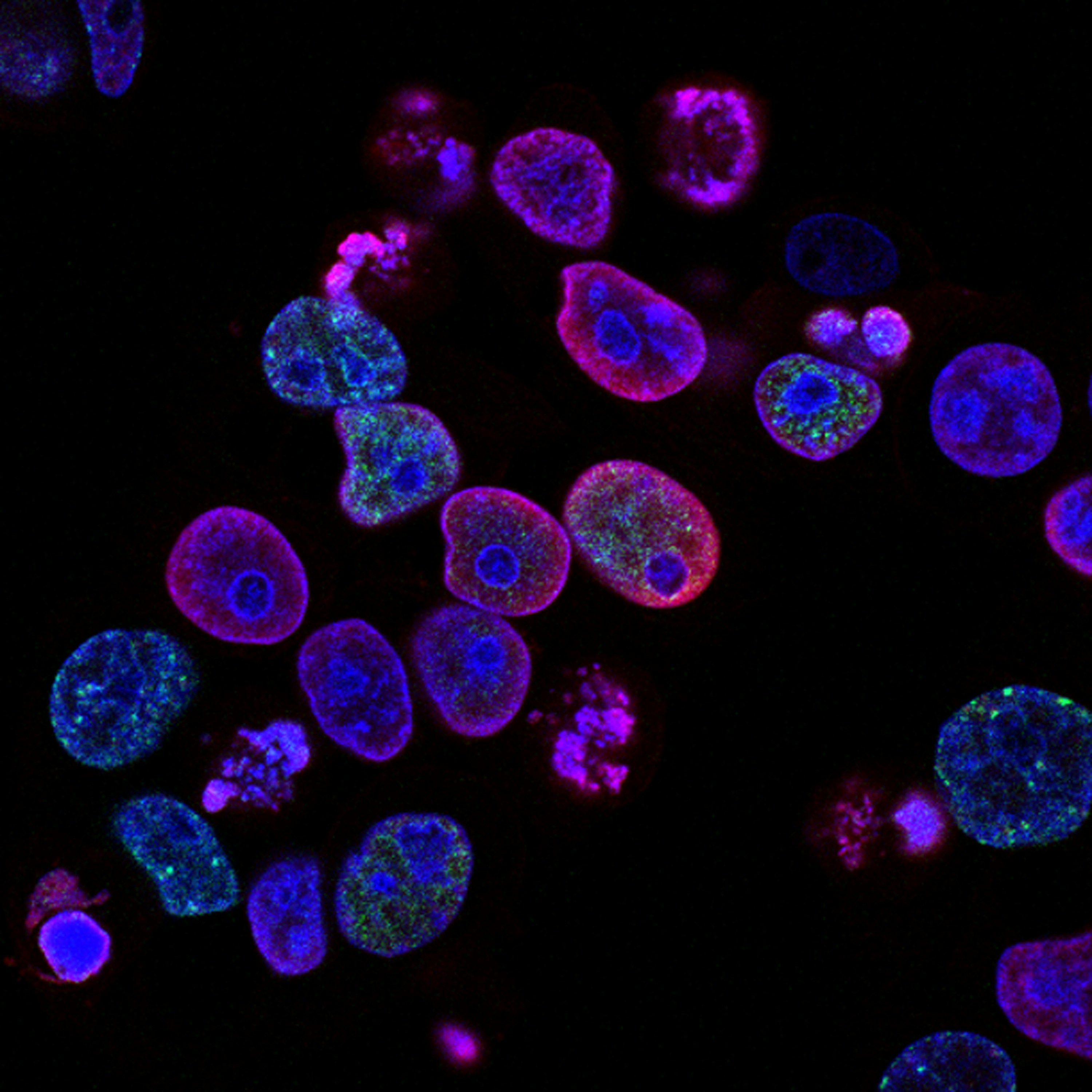

The Most Common Skin Cancer in the World
BCC rarely spreads, but it can grow locally and disfigure. It comes in different forms — and one of them can be treated topically.
The Critical In-Between Stage
SCC in situ is full-thickness dysplasia of the epidermis that has not yet broken through the basement membrane into the dermis below. Where AK is partial-thickness, SCCIS is a step closer to invasion — the last warning before it becomes invasive cancer.3
The Field Needed More Than Spot Treatment
For years, treating AK meant addressing visible lesions one by one. But AK is a field disease — so SKNV set out to treat the whole field.
Spot Treatment, One Lesion at a Time
Freezing or destroying individual visible spots leaves the surrounding damaged field untouched — so new lesions keep appearing from damage that was never addressed.
Field-Directed Immune Therapy
Kefunova™ pairs 5-fluorouracil with calcipotriene to activate the body—s own immune response across the entire treatment field — clearing both visible and invisible damage.
Two Actives, One Cream
Kefunova™ is dispensed in a 30 mL airless pump designed for controlled, consistent application.
Fluorouracil 5%
Topical Antimetabolite
Targets and disrupts rapidly dividing, sun-damaged keratinocytes associated with actinic keratosis.
Calcipotriene 0.005%
Vitamin D Analog
Induces TSLP to activate the skin’s adaptive immune response toward pre-cancerous cells.
How the Combination Works
5-FU Marks the Problem
Damages abnormal precancerous cells, causing them to send distress signals.
Calcipotriene Induces TSLP
Triggers thymic stromal lymphopoietin and activates CD4+ T-cells to respond.
Field-Wide Clearance
Together they drive a synergistic immune response across the whole field — visible and invisible damage alike.
“One wakes up the immune system, the other shows it where to attack.”